







Search Results for: Kafa Forest
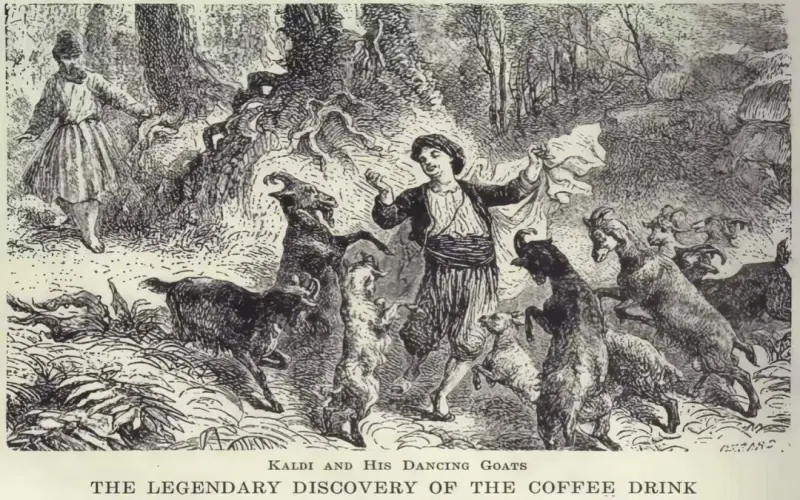
Ethiopian Kafa Forest Coffee Beans | Is the coffee produced in Kafa Forest the original Geisha coffee beans? What are the flavor and mouthfeel characteristics of Kafa Forest pour-over coffee?
"In the sixth to eighth centuries AD, Kaldi, a young Ethiopian goatherd, was tending his goats in a forested mountain area. Then one day, he noticed that his flock had suddenly become inexplicably excited, jumping and frolicking about. Even an old sick goat regained its vigor and was soon running briskly. After careful observation, he finally discovered that these 'symptoms' appeared after the flock ate from the forest [more…]
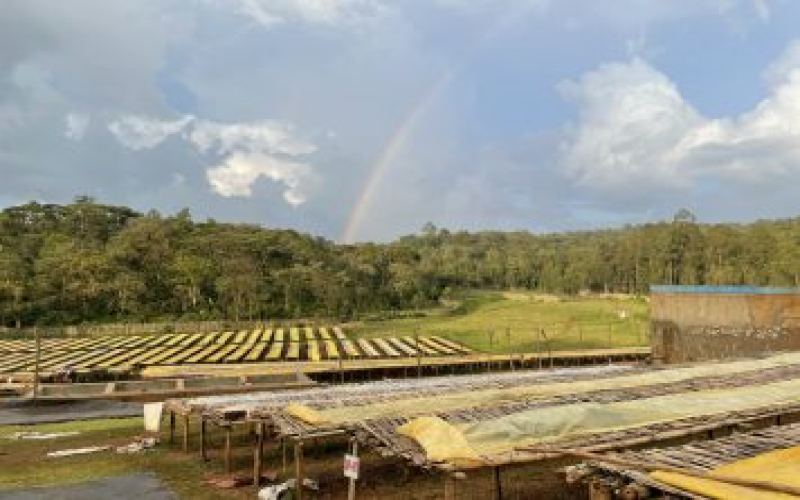
Kafa Forest: The Place Where the Name "Coffee" Was Born
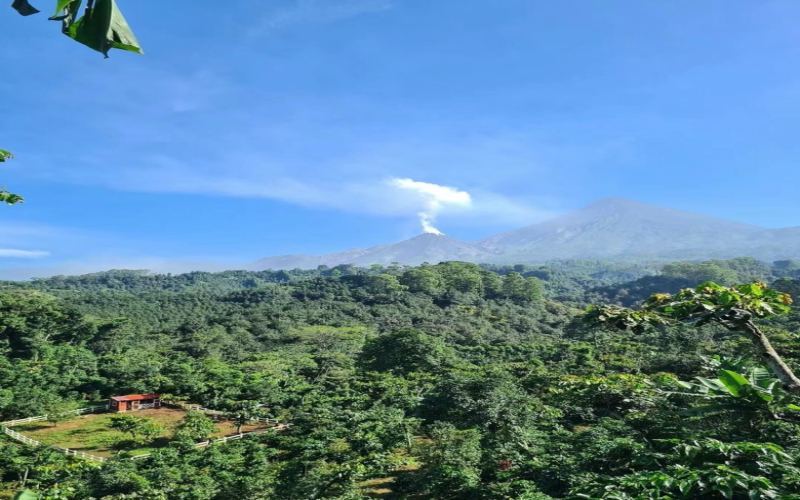
Every cup of coffee's family tree can ultimately be traced back to a rainforest in southwestern Ethiopia—the Kafa Forest. The etymology of the word "coffee" comes from the name of the ancient Kingdom of Kafa. This article discusses this holy land of coffee. Where It All Began The Kafa Forest is located in southwestern Ethiopia and is a [more…]
Three Ethiopian Beans Compared: Yirgacheffe G1, Hambela, and Kaffa Forest — Which One Is Your Cup of Tea?
With so many Ethiopian beans out there, which one should you buy first when your budget is limited? Today we're putting three popular Ethiopian beans side by side for a horizontal comparison—Yirgacheffe Gudingding, Huakui, and Kafa Forest—scoring and comparing them across three dimensions: flavor, mouthfeel, and who they suit. After reading this, you can make a decision right away. Comparison One: Flavor Performance Yirga [more…]
Estate Stories of Signature Pour-Over Beans: From Blue Mountain to Golden Mandheling
Behind every distinctive pour-over bean lies the story of its origin estate; understanding these stories adds a layer of meaning beyond flavor when drinking pour-over. From Jamaican Blue Mountain to Indonesian Golden Mandheling, the estate backgrounds of these distinctive beans are themselves important chapters in the world of specialty coffee. The story of Jamaican Blue Mountain is about high-altitude mist and clouds. [more…]
Sweet aftertaste coffee beans: a flavor path with low acidity and lingering sweetness
Beans with understated acidity and a prominent sweet finish place their flavor emphasis on sweetness and aftertaste: natural (dry) processing and medium-dark roasting round off the acidity, leaving a lingering sweetness. Front Street Coffee's Ethiopian Huakui has a sweet finish with a passion fruit aftertaste; the acidity on the palate flashes by, and sweetness takes over the second half. In Kafa Forest, the sweetness actually becomes more pronounced as the temperature drops. [more…]

A Brief History of Arabica Varieties: The Variety Lineage Behind an Espresso Blend
Holding an espresso bean list in your hand, names like Mandheling, Typica, and SL28 often dazzle the eyes. In fact, they all belong to the same bean species—Arabica—just with different variety lineages. Following the lineage down, the story of each bean becomes clear. The lineage starts with two wild ancestors: E [more…]
Exploring Floral and Fruity Regions: The Fruity Code of Ethiopia and Kenya
When exploring the regions that produce floral and fruity coffee, Ethiopia and Kenya are two origins you simply cannot avoid. These two African regions have distinctly different floral and fruity styles, and once you understand their respective fruity codes, you can precisely match your own taste preferences when choosing beans. Ethiopia is the native birthplace of Arabica, and its floral and fruity notes are characterized by tropical [more…]
Does Higher Altitude Mean Better Coffee? The Real Relationship Between Altitude and Flavor
In coffee shops, you often hear the words "high altitude," as if the higher the altitude, the more premium the coffee. But the truth is not that simple: altitude is indeed a heavyweight factor affecting flavor, yet it is far from a straight-line relationship of "the higher, the better." What does altitude bring? A common feature of high-altitude growing regions is a large temperature difference between day and night, with relatively low temperatures. Coffee [more…]
埃塞俄比亚西南卡法森林咖啡产区特色与野生阿拉比卡起源全解析
埃塞俄比亚是全球公认的咖啡发源地,其西南部的卡法森林更被认为是阿拉比卡咖啡的原始故乡。本文从埃塞俄比亚整体咖啡种植条件出发,梳理耶加雪菲等知名产区的分布,重点聚焦卡法地区与卡法生物圈保护区的地理、生态与咖啡种植模式。同时厘清一个常见误解:卡法森林与巴拿马瑰夏品种并非同一回事。文中还介绍了前街咖啡的卡法森林水洗豆风味表现及V60冲煮参数,供咖啡爱好者参考。 [more…]
Coffee Leaf Rust: A Disease That Changed the Varietal Landscape
In the history of coffee cultivation, if only one disease were allowed to be recorded, it would have to be leaf rust. This plant plague caused by a fungus once destroyed the entire coffee industry of Ceylon in the nineteenth century, and then over the following hundred-plus years spread to nearly every producing region in the world, profoundly rewriting the varietal landscape and trade patterns of coffee. It [more…]
From a Coffee Cherry to a Cup of Coffee: The Seed-to-Cup Journey
Many people drink coffee every day, but few have thought about where it comes from. Before a cup of coffee is set before you, it has already traveled a long journey: from fruit on the tree, to the processing plant, to the roaster, and finally to your cup. This journey is worth taking a few minutes to understand. Starting from the seed: flowering and fruiting it all begins with [more…]

Pour-Over Coffee | For coffee that has cooled down, is it better to reheat it or add ice? Why does coffee's taste change so much from hot to cold?
We all know that brewed coffee will naturally cool down over time, but beyond that, its flavor also undergoes irreversible changes during this process. For example, the originally rich and fragrant aroma has clearly dissipated, dark-roasted coffee becomes less smooth, medium-light roasted coffee highlights its sour and astringent notes even more, and may even develop an unpleasant [more…]

How to Choose Light-Roast Floral Coffee Beans: From Bright Fruitiness to Gentle Tea Notes
The charm of light-roast coffee beans often reveals itself the moment you open the package and pour in hot water. Aromas of petals, citrus, berries, or tropical fruit come through vividly, the acidity is bright on the palate, and a light, sweet finish lingers after you swallow. It suits those who enjoy black coffee, pour-over, and iced drinks, and also those who treat coffee as a relaxing afternoon beverage, savoring it slowly. [more…]
How to Choose Light-Roast Floral Coffee Beans: From Bright Fruit to Gentle Tea Notes
The charm of light-roast coffee beans often reveals itself the moment you open the package and pour in hot water. Aromas of petals, citrus, berries, or tropical fruit come through vividly, the acidity is bright on the palate, and a light, sweet finish lingers after you swallow. It suits those who enjoy black coffee, pour-over, and iced drinks, and is equally suited to those who treat coffee as a relaxing afternoon beverage, savoring it slowly. [more…]
埃塞俄比亚咖啡与瑰夏品种对比:卡法原始森林水洗豆风味特点及V60冲煮方法
埃塞俄比亚作为阿拉比卡咖啡的起源地,拥有众多知名产区,而瑰夏品种的名字也源自该国卡法森林的瑰夏山。本文从前街咖啡的口粮豆系列出发,系统梳理埃塞俄比亚咖啡的种植条件、主要产区与卡法生物圈保护区的野生咖啡特色,并详细对比卡法森林原生种与巴拿马瑰夏品种的本质区别。文中还介绍了前街水洗卡法森林咖啡豆的风味表现,以及使用V60滤杯进行三段式萃取的具体参数与手法,帮助咖啡爱好者更清晰地理解埃塞咖啡与瑰夏之间的关系。 [more…]

Ethiopian Specialty Coffee | Is Ethiopian Coffee Bean Suitable for Beginners? Recommendations for Medium-Light Roast Pour-Over Single-Origin Beans with Prominent Floral and Fruity Flavors
1. Bright citrus acidity: Front Street Gutingding coffee beans Origin: Yirgacheffe, Gedeo zone Altitude: 1900-2300m Variety: Ethiopian heirloom Processing method: Washed Flavor: Citrus, black tea, caramel, almond, green tea Recommended because: High value for money, you can taste fruit [more…]

From Roast Date to Opening and Tasting: The Flavor Cycle and Storage Tips of Pour-Over Coffee Beans
Freshly roasted coffee beans accumulate a large amount of carbon dioxide gas within their bodies, making them unsuitable for immediate grinding and brewing in the first few days after roasting. When hot water is poured in, the gas is released violently, forming a dense barrier layer that hinders full contact between the water flow and the coffee grounds. Through a resting and degassing period ranging from several days to more than ten days, the internal aroma molecules [more…]
Noticeably sweet and rich in fruity aromas—choose pour-over beans by roast level
If you want to drink pour-over coffee with clear sweetness and a noticeable fruity aroma, the roast level is a very practical screening clue. Light roasts more easily retain floral, citrus, and berry notes, medium-light roasts bring fruity aromas and sugary sweetness closer together, and medium roasts add roundness and caramel associations. Based on whether you prefer a bright, soft, or full-bodied taste, [more…]
How to Choose a Pour-Over with Floral and Fruity Notes: A Flavor Guide from Light to Medium Roast
If you want to taste floral, citrus, berry, or tropical fruit notes in your pour-over, roast level is a very useful clue to follow. Light roasts more easily preserve the bright aromas brought by origin and processing method, medium-light roasts add sweetness and roundness, and medium roasts soften the floral and fruity character, making each sip more stable. Based on the acidity you like [more…]

The Flavor Window of Yirgacheffe Beans: How to Buy Them from the Channel and Get Them Home
The floral aroma, citrus notes, and tea-like quality of a cup of Yirgacheffe depend not only on its origin and roasting method, but also on how long it has been since it left the roaster. Freshly roasted beans are not necessarily ready to drink right away; brewing too early may result in scattered aromas, while leaving them too long will gradually cause them to lose their brightness. When choosing where to buy, first confirm the roast date, then plan your [more…]